Green Initiatives: How E-Waste Recycling Services Are Protecting Our Planet
E-waste represents a considerable hazard to the environment, as discarded electronics often contain toxic materials. These hazardous substances can contaminate soil and water, leading to broader ecological damage. E-waste recycling initiatives provide a practical answer. They serve the dual purpose of reclaiming precious materials and reducing contamination. Comprehending the operation of these services and their influence on communities is of great importance. The journey towards effective e-waste management raises critical questions about individual responsibility and collective action. What actions should be considered going forward?
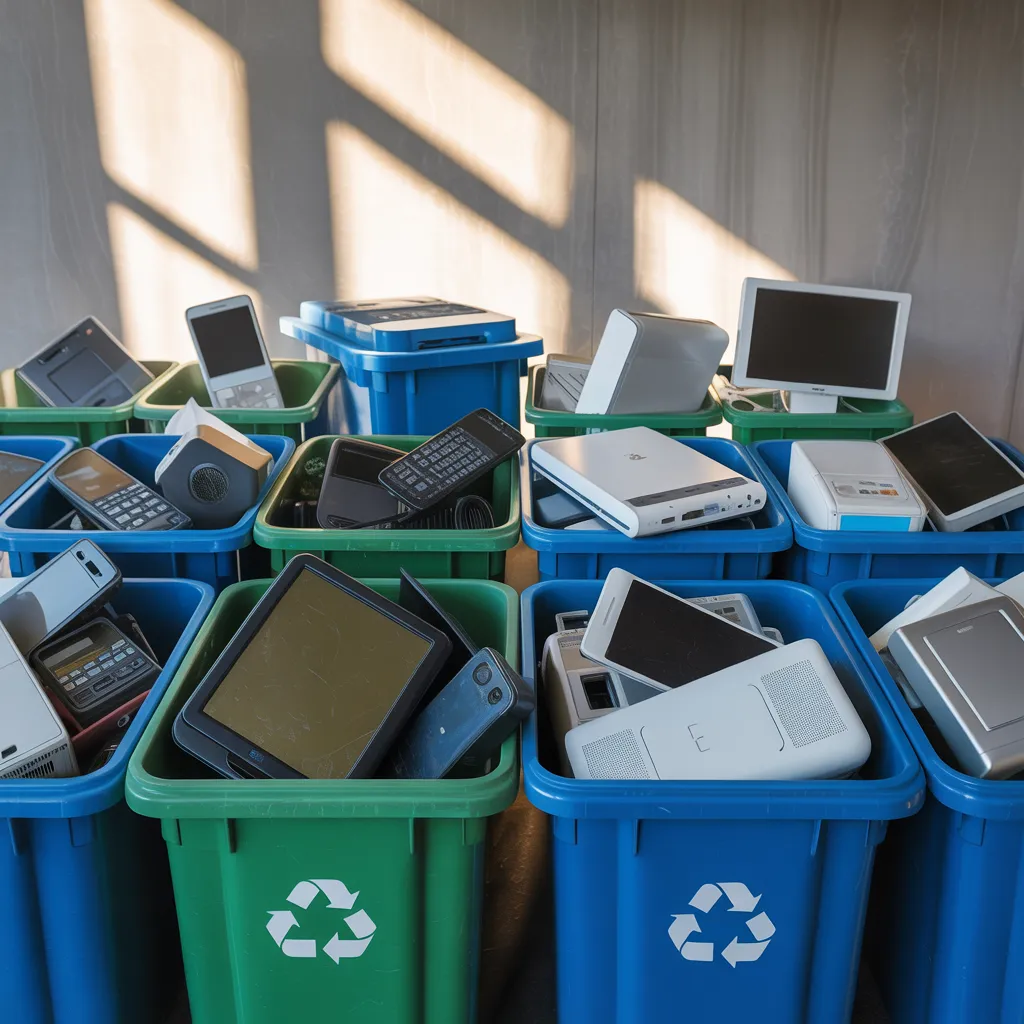
The Reasons E-Waste Is Damaging to the Planet
Even though technology enhances modern life, e-waste poses serious threats to the environment. Discarded electronic devices, often containing toxic substances including mercury, lead, and cadmium, are capable of seeping pollutants into soil and groundwater, creating hazards for human health and ecosystems. The swift progression of technology leads to higher rates of electronics disposal among consumers, exacerbating the accumulation of e-waste.
Landfills, already overwhelmed with refuse, find it difficult to handle the increasing amounts of discarded devices. Incineration, another disposal method, releases harmful pollutants into the atmosphere, contributing to air quality degradation. Moreover, poor recycling procedures can cause e-waste to be sent to developing regions, where employees may disassemble electronics without sufficient safety precautions, leaving them vulnerable to harmful substances. This pattern of negligence and mismanagement highlights the critical demand for eco-friendly recycling alternatives that can reduce the damaging impact of electronic waste on the environment.
What Is E-Waste and Its Importance?
E-waste, or electronic waste, comprises obsolete electronic products like smartphones, computers, and televisions that have reached the end of their useful life. This increasingly prevalent form of waste is important owing to its accelerating volume, propelled by advances in technology and evolving consumer behaviors. As more devices become obsolete, the toll on the environment grows more severe, with dangerous elements including lead, mercury, and cadmium threatening both ecosystems and public health.
Addressing e-waste is crucial not only for reducing these dangers but also for acknowledging the precious materials found within it. Precious metals and rare earth elements can be recovered and reused, reducing the need for mining and conserving natural resources. With a thorough understanding of e-waste and its impact, people and organizations alike can make educated decisions about disposal and recycling, helping to build a more sustainable world. Proper management of e-waste is essential for fostering a circular economy and promoting environmental stewardship.
The Way E-Waste Recycling Functions
Recycling e-waste involves a structured approach designed to recover valuable materials while minimizing environmental impact. Initially, e-waste is collected and transported to purpose-built recycling plants. Upon arrival, the equipment is meticulously organized to isolate dangerous parts from recoverable materials.
Following this, employees deconstruct the devices, separating metals, plastics, and glass. This phase is essential, as it makes possible the reclamation of high-value metals like silver, gold, and copper, which may be utilized in new electronic devices.
Afterward, the sorted materials are treated through cutting-edge techniques, such as shredding and specialized chemical treatments, to purify them for repurposing.
Finally, the leftover dangerous materials are managed properly, following environmental regulations. This comprehensive process not only preserves valuable resources but also minimizes the hazards connected to unsafe e-waste handling, securing a more eco-conscious future for electronic device usage.
Why E-Waste Recycling Matters for You and Your Community
Although it often goes unnoticed, the benefits of e-waste recycling reach well past personal use to meaningfully influence entire communities. By properly recycling electronic waste, individuals play a role in creating a cleaner environment, minimizing toxic components that can leach into soil and water. This responsible method works to protect local ecosystems and promotes public health.
Additionally, the recycling of e-waste encourages job creation within communities. Community recycling operations commonly require workers for numerous tasks, from collection to processing, therefore offering work opportunities for local residents. This not only strengthens the regional economy but also inspires community dedication to sustainable efforts.
In addition, familiarity with e-waste recycling has the potential to generate learning opportunities, equipping residents to make environmentally conscious decisions. By taking part in e-waste recycling programs, individuals nurture a culture of sustainability, motivating others to embrace similar practices. Ultimately, the shared impact of these actions can result in a more resilient and environmentally responsible community.
Tips for Choosing an E-Waste Recycling Service
Choosing the best e-waste disposal service is vital for ensuring that e-waste is handled with responsibility and sustainability. Initially, individuals should verify the provider's accreditations, such as R2 or e-Stewards, which signify conformance to professional guidelines for safe recycling practices. It is equally important to examine the provider's standing by checking reviews and seeking recommendations from trusted sources.
Furthermore, openness in the recycling process is crucial. A reliable service should offer detailed insights about how e-waste is processed and what becomes of Read the guide the materials. Moreover, evaluating the range of services offered can be beneficial; various firms may supply retrieval services or extend benefits for recycling.
In addition, understanding regional rules concerning e-waste disposal can additionally influence the evaluation process. By prioritizing these factors, people are able to support efficient electronic waste handling alongside encouraging eco-friendly habits.
How You Can Take Part in E-Waste Recycling?
Participating in e-waste recycling may begin at the local level, where recycling centers frequently offer essential services for responsible disposal. Additionally, taking part in community awareness campaigns can enhance efforts to raise awareness about the importance of responsible e-waste management. These initiatives not only encourage sustainable practices but also foster a collective sense of accountability for the environment.
Nearby Recycling Facilities
Several community recycling facilities serve a vital function in the recycling of e-waste, giving communities practical solutions to discard electronic waste in an eco-friendly way. These centers accept a wide array of electronic devices, including aging computers, cell phones, and television sets, guaranteeing that dangerous substances are processed safely. Most centers are equipped with trained staff who can guide individuals on proper disposal methods, highlighting the value of recycling rather than landfilling. Additionally, many centers offer organized drop-off opportunities or appointed collection periods, making participation convenient for residents. By engaging with these local facilities, community members advance a circular economy, decreasing environmental damage and advancing sustainable approaches. Working alongside these hubs empowers communities to take action against e-waste pollution effectively.
Community Outreach Campaigns
Local organizations, schools, and businesses can collaborate to host events that promote e-waste collection drives. Community members can serve a critical function in promoting knowledge, handing out educational content, and interacting with the surrounding community. As a result of these combined actions, residents become more informed and motivated to recycle their electronic waste, thus playing a meaningful role in creating a more environmentally responsible future.
Common Questions and Answers
What Kinds of Electronics Can Be Recycled?
A wide range of electronics may be recycled, including smartphones, computers, laptops, televisions, printers, and gaming consoles. Moreover, peripherals such as keyboards, mice, and batteries are equally appropriate for recycling, supporting efforts to conserve the environment.
Is There a Cost Associated With E-Waste Recycling?
Yes, electronic waste recycling may involve charges, based on the service provider. Certain providers impose charges for pickup or handling, while some providers provide no-cost solutions, frequently supported by the proceeds from salvaged materials.
How Do Businesses Gain From E-Waste Recycling?
Businesses can benefit from e-waste recycling by reducing disposal costs, improving their green reputation, adhering to regulatory requirements, reclaiming useful materials, and potentially generating revenue through resale, thereby fostering a more environmentally responsible business approach.
What Happens to Data on Recycled Devices?
Information on repurposed equipment is often permanently erased or destroyed throughout the recycling process. This guarantees private details is kept safe, preventing unauthorized access while allowing components to be repurposed securely and sustainably across new manufacturing processes.
Can I Recycle Broken Electronics?
Absolutely, damaged electronics can be recycled. Numerous collection points take in damaged devices, providing safe disposal and extraction of valuable materials. This helps reduce the environmental footprint while promoting responsible recycling practices to manage electronic waste properly.